
ARESGACOR menghadirkan cara berbeda untuk mengisi waktu luang ares gacor melalui hiburan digital yang praktis dan dinamis. Perkembangan teknologi membuat aktivitas online semakin mudah diakses dari berbagai perangkat. Pengguna dapat menemukan beragam pilihan hiburan melalui tampilan yang sederhana dan navigasi yang mudah dipahami. ARESGACOR menggabungkan desain modern, sistem responsif, dan pembaruan fitur untuk menciptakan pengalaman yang terasa lebih segar. Pendekatan tersebut membuat waktu luang tidak terasa monoton karena pengguna memiliki ruang untuk mengeksplorasi berbagai pilihan digital sesuai preferensi.
Tampilan Modern Membuat Eksplorasi Lebih Nyaman
ARESGACOR mengutamakan tampilan yang rapi agar pengguna dapat menjelajahi platform dengan lebih mudah. Setiap bagian memiliki susunan yang jelas sehingga pengguna dapat menemukan menu yang mereka cari tanpa banyak langkah. Desain modern juga memberikan nuansa visual yang lebih menarik ketika pengguna berpindah dari satu fitur ke fitur lainnya. Tim pengembang terus menyesuaikan tampilan dengan perkembangan perangkat digital agar pengalaman tetap nyaman. Struktur yang sederhana membuat proses eksplorasi terasa ringan, terutama ketika pengguna ingin mengisi waktu luang secara santai.
Ragam Pilihan Menambah Warna Hiburan
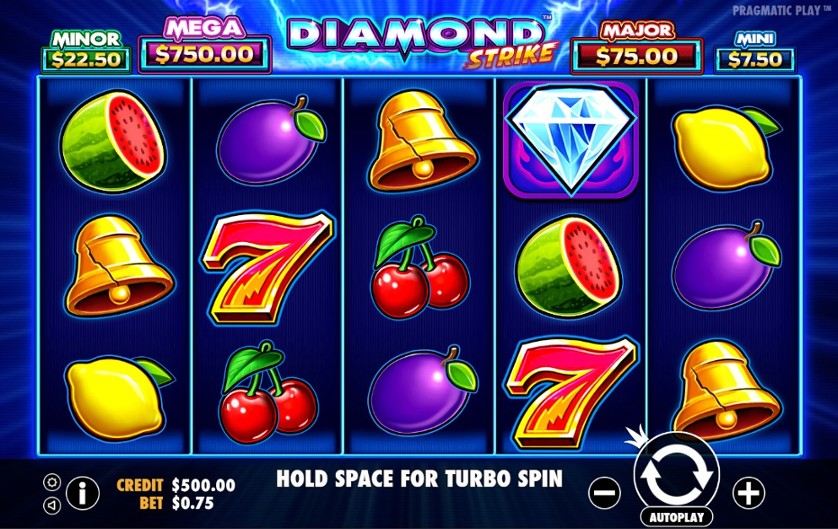
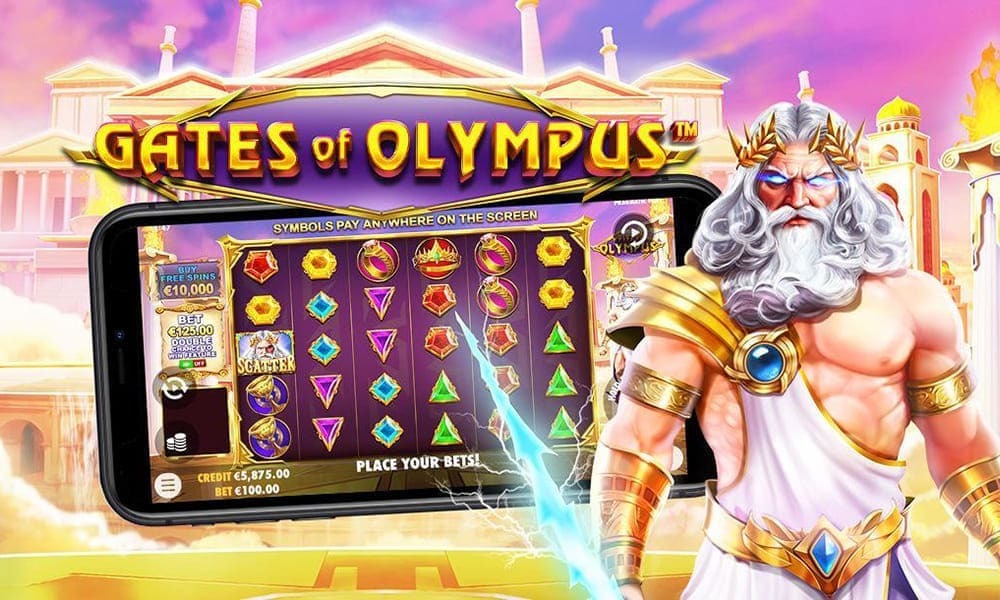
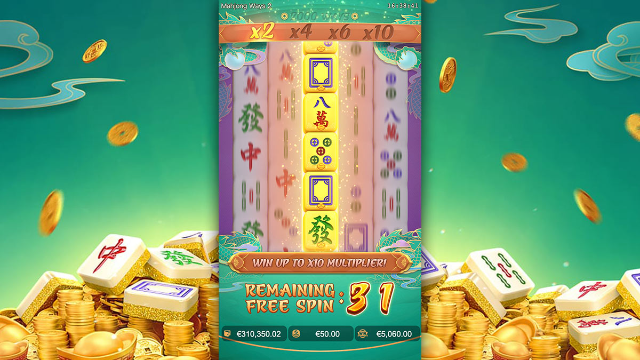
Keberagaman menjadi salah satu unsur penting dalam pengalaman hiburan digital. ARESGACOR menyediakan ruang bagi pengguna untuk menjelajahi berbagai pilihan game dengan karakter dan konsep yang berbeda. Variasi tersebut membantu pengguna menemukan aktivitas yang sesuai dengan suasana hati tanpa terpaku pada satu pilihan. Setiap kategori dapat memberikan pengalaman yang berbeda sehingga rutinitas hiburan terasa lebih berwarna. Pengguna juga dapat mengeksplorasi pilihan baru ketika ingin mencoba sesuatu yang belum pernah mereka nikmati sebelumnya.
Akses Praktis Mendukung Aktivitas Harian
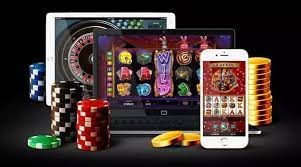
ARESGACOR menghadirkan akses yang praktis sehingga pengguna dapat membuka platform melalui perangkat yang mereka gunakan sehari-hari. Dukungan terhadap smartphone, tablet, laptop, dan komputer desktop memberikan fleksibilitas dalam menikmati hiburan digital. Sistem menyesuaikan tampilan dengan ukuran layar sehingga berbagai elemen tetap mudah digunakan. Pengalaman tersebut membantu pengguna berpindah perangkat tanpa perlu beradaptasi dengan tampilan yang berbeda secara drastis. Kemudahan akses membuat waktu luang dapat dimanfaatkan dengan lebih fleksibel sesuai aktivitas masing-masing.
Fitur Interaktif Membuat Suasana Lebih Dinamis
ARESGACOR terus mengembangkan fitur interaktif untuk memberikan pengalaman yang tidak terasa datar. Pembaruan berkala membantu platform menghadirkan perubahan yang membuat pengguna memiliki hal baru untuk dieksplorasi. Respons sistem yang cepat juga mendukung perpindahan antarmenu agar aktivitas terasa lebih lancar. Tim pengembang memperhatikan berbagai aspek penggunaan untuk menjaga keseimbangan antara tampilan, fungsi, dan kemudahan navigasi. Perpaduan tersebut menciptakan suasana digital yang lebih hidup ketika pengguna menghabiskan waktu luangnya.
Navigasi Sederhana untuk Pengguna Modern
Navigasi yang sederhana membuat pengguna dapat memahami alur platform dengan lebih cepat. ARESGACOR menyusun berbagai menu secara terstruktur sehingga pengguna tidak perlu mencari terlalu lama ketika ingin membuka fitur tertentu. Pengelompokan berdasarkan fungsi juga membantu pengguna baru mengenali bagian penting dalam platform. Sementara itu, pengguna yang sudah terbiasa dapat bergerak dari satu pilihan ke pilihan lainnya dengan lebih efisien. Struktur navigasi yang jelas menjadikan eksplorasi terasa ringan dan tidak membebani pengalaman.
Pembaruan Menjaga Pengalaman Tetap Segar
Dunia digital terus berubah sehingga platform perlu mengikuti perkembangan tersebut. ARESGACOR melakukan pengembangan secara berkala untuk menjaga relevansi fitur dan meningkatkan kualitas pengalaman pengguna. Pembaruan dapat mencakup tampilan, sistem, maupun berbagai elemen pendukung lainnya. Perubahan yang konsisten membuat platform tidak terasa monoton karena selalu memiliki ruang untuk berkembang. Dengan pendekatan tersebut, waktu luang dapat terasa lebih berwarna melalui pengalaman digital yang terus menghadirkan variasi baru.